

The Essential Guide to Hybrid Workspaces in 2025
Did you know that by 2025, over 70% of UK businesses are expected to adopt hybrid workspaces as their primary work model? This rapid shift highlights the urgent need for adaptable, employee-focused environments that can keep pace with the evolving world of work.
UK companies now face the challenge of balancing remote flexibility with in-office collaboration, maintaining productivity, and supporting employee well-being. The right hybrid workspaces can offer flexibility, help attract top talent, deliver cost savings, and drive sustainability for organisations of all sizes.
This essential guide explores how UK businesses can design, implement, and optimise hybrid workspaces to thrive in 2025 and beyond. Inside, you’ll find key trends, practical steps, and best practices to help your organisation succeed.
We’ll cover everything from hybrid workspace fundamentals and design innovations to technology integration, step-by-step implementation, common challenges, and what the future holds. Let’s get started.
Understanding Hybrid Workspaces in 2025
Hybrid workspaces have become the new standard for UK organisations, blending remote and in-office work to offer employees more autonomy. Unlike traditional office models, these flexible environments give staff the choice of where, when, and how they work. Leading UK firms such as HSBC and PwC have fully embraced hybrid workspaces in 2025, reflecting a significant shift since the pandemic. According to the ONS report on hybrid work demographics, over half of UK companies now use some form of hybrid model, with adoption spanning both SMEs and large enterprises.
Defining the Hybrid Workspace Model
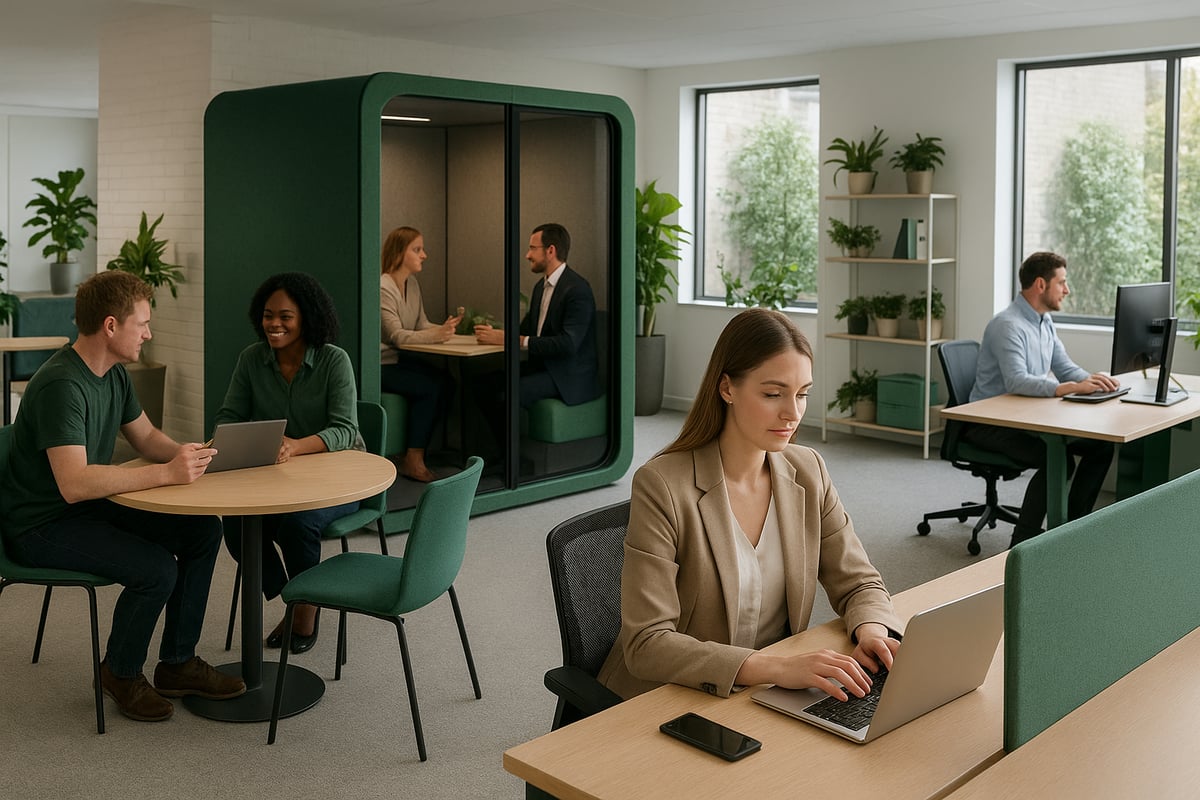
Hybrid workspaces are flexible environments designed to support both remote and in-office work seamlessly. Employees benefit from genuine choice, adapting their schedules and locations to fit personal and professional needs. In 2025, UK businesses such as NatWest and Deloitte have implemented hybrid workspaces, moving away from rigid office attendance. Compared to traditional models, these workspaces prioritise agility and employee empowerment. Data from the ONS indicates nearly 60 percent of UK companies have adopted hybrid models, a dramatic increase from 2020, making them relevant for organisations of every size.
Core Principles and Benefits
Core principles of hybrid workspaces include flexibility, autonomy, and inclusivity. Employees experience greater job satisfaction and productivity thanks to the freedom to choose their work environment. Businesses benefit from cost efficiency by reducing office footprint, while also attracting and retaining top talent. Hybrid workspaces support diverse work styles, improve work-life balance, and enhance organisational resilience. This approach has become a key differentiator for UK companies seeking a competitive edge in recruitment and employee engagement.
Hybrid Workspace Models in Practice
UK organisations implement hybrid workspaces using various models. Rotational schedules, such as three days in the office and two remote, are common. Some firms use team-based or role-based approaches, adapting hybrid workspaces to departmental needs. The office is often viewed as a central hub for collaboration and innovation, while coworking and serviced offices provide additional flexibility. Major companies like PwC have reported high utilisation rates for hybrid spaces, reflecting the positive impact on office leasing trends across the UK.
Key Trends Shaping Hybrid Workspaces in the UK
Several trends define the evolution of hybrid workspaces in the UK. There is growing demand for flexible office solutions and coworking arrangements. Modular, reconfigurable spaces are rising in popularity, helping businesses adapt quickly to change. Employee well-being and mental health are front and centre, with sustainability and energy efficiency influencing design decisions. Smart technology integration and advanced acoustic solutions support privacy, while employer policies are increasingly tailored to remote and hybrid work.
Challenges Unique to Hybrid Workspaces
Despite their advantages, hybrid workspaces present unique challenges. Maintaining a unified company culture across multiple locations can be difficult. Ensuring equitable access to resources and opportunities requires careful planning. Communication and collaboration barriers may arise, particularly for distributed teams. UK employers must also manage occupancy, ensure data privacy, and navigate legal compliance. Training managers for hybrid leadership is essential to address these complexities effectively.
Essential Statistics and Insights
Recent data highlights the growing preference for hybrid workspaces among the UK workforce. Over 60 percent of employees favour hybrid arrangements, while businesses report an average 30 percent reduction in office space requirements. Productivity and satisfaction metrics have improved, and cost savings are substantial for firms adopting hybrid workspaces. Office design trends now focus on flexibility, well-being, and investment in fit-out budgets to support this new way of working.
Designing the Optimal Hybrid Workspace
Creating optimal hybrid workspaces in the UK requires thoughtful design, robust technology, and a strong focus on people. The right setup balances flexibility, collaboration, and privacy, ensuring every employee can thrive wherever they work. Let’s explore the core elements, innovations, and best practices that define successful hybrid workspaces in 2025.
Key Elements of Hybrid Workspace Design
Hybrid workspaces blend open-plan areas with purpose-built zones to support every working style. Open-plan layouts encourage teamwork, while zoned environments provide spaces for focused tasks.
Key elements include:
- Collaborative spaces such as meeting rooms and breakout areas.
- Quiet zones for deep work and concentration.
- Phone booths and soundproof pods for private calls.
- Flexible furniture and modular layouts to adapt to changing needs.
Natural light and biophilic design, like indoor plants, boost well-being. Accessibility is crucial, ensuring all employees can use the workspace comfortably. By prioritising these elements, hybrid workspaces meet the diverse needs of modern UK teams.
The Role of Technology in Hybrid Workspaces
Technology is the backbone of effective hybrid workspaces. Video conferencing tools and virtual collaboration platforms connect remote and in-office staff seamlessly. Smart booking systems allow employees to reserve desks or meeting rooms in advance, optimising space usage.
Occupancy sensors and analytics provide real-time data on workspace utilisation. High-speed, secure Wi-Fi is essential for productivity. Integrated AV and IT infrastructure ensures smooth presentations and hybrid meetings.
Digital signage and wayfinding help employees navigate flexible layouts. Robust cybersecurity measures protect both on-site and remote users. Technology integration is key to making hybrid workspaces adaptable and future-ready.
Acoustic Solutions and Privacy
Privacy and focus are vital in hybrid workspaces, especially in open-plan settings. Soundproof meeting pods and phone booths are increasingly popular, offering confidential spaces for calls or sensitive discussions.
Types of acoustic solutions include:
- Modular pods for meetings or individual work.
- Acoustic partitions and wall panels to reduce noise.
UK companies are adopting these measures to support productivity and well-being. Meeting pods comply with health and safety standards and often cost less to install than traditional meeting rooms, with prices starting from £3,000 to £7,000. By addressing privacy, hybrid workspaces foster a more comfortable environment for all.
Sustainability and Well-being in Workspace Design
Sustainability is a top priority for hybrid workspaces in the UK. Eco-friendly materials, such as recycled wood or low-VOC paints, are used in office fit-outs. Energy-efficient lighting and advanced HVAC systems reduce costs and environmental impact.
Air quality and ventilation are crucial for employee health. Incorporating greenery and biophilic elements, like living walls, enhances the workspace atmosphere. Ergonomic furniture and adjustable workstations support physical well-being.
Dedicated wellness rooms and quiet spaces promote mental health. Many UK offices pursue certifications like BREEAM, WELL, or SKA to validate their sustainable and healthy design choices.
Adapting Open-Plan Offices for Hybrid Work
Many UK organisations are reconfiguring open-plan offices to suit hybrid workspaces. Movable partitions and modular setups offer flexibility, allowing spaces to shift between collaborative and private uses.
Touchdown spaces support transient workers coming in for meetings or short visits. Desk sharing and hot desking help manage occupancy efficiently. Serviced office providers in the UK often lead by offering adaptable layouts and acoustic solutions.
Balancing collaboration with privacy is key. Noise and distractions are addressed through careful zoning and the use of sound-absorbing materials. These strategies ensure hybrid workspaces remain productive and welcoming.
Case Study: Innovative Hybrid Workspace Designs in the UK
A leading UK financial services firm recently redesigned its headquarters for hybrid workspaces. Key features included modular meeting pods, flexible collaboration zones, and ergonomic desk setups.
Employee feedback highlighted increased satisfaction, with 87% reporting improved work-life balance. Utilisation data showed a 30% reduction in unused space, translating to substantial cost savings.
The company partnered with workspace designers and fit-out specialists to deliver a modern, inclusive environment. The new design yielded a strong ROI, with higher productivity and better talent retention. Visual layouts featured flexible zones and ample natural light.
Modular Meeting Pods: Enhancing Privacy and Focus
Modular, soundproof meeting pods are a standout solution for hybrid workspaces. These pods address privacy and focus challenges in open-plan environments, providing confidential spaces for calls, meetings, or individual work.
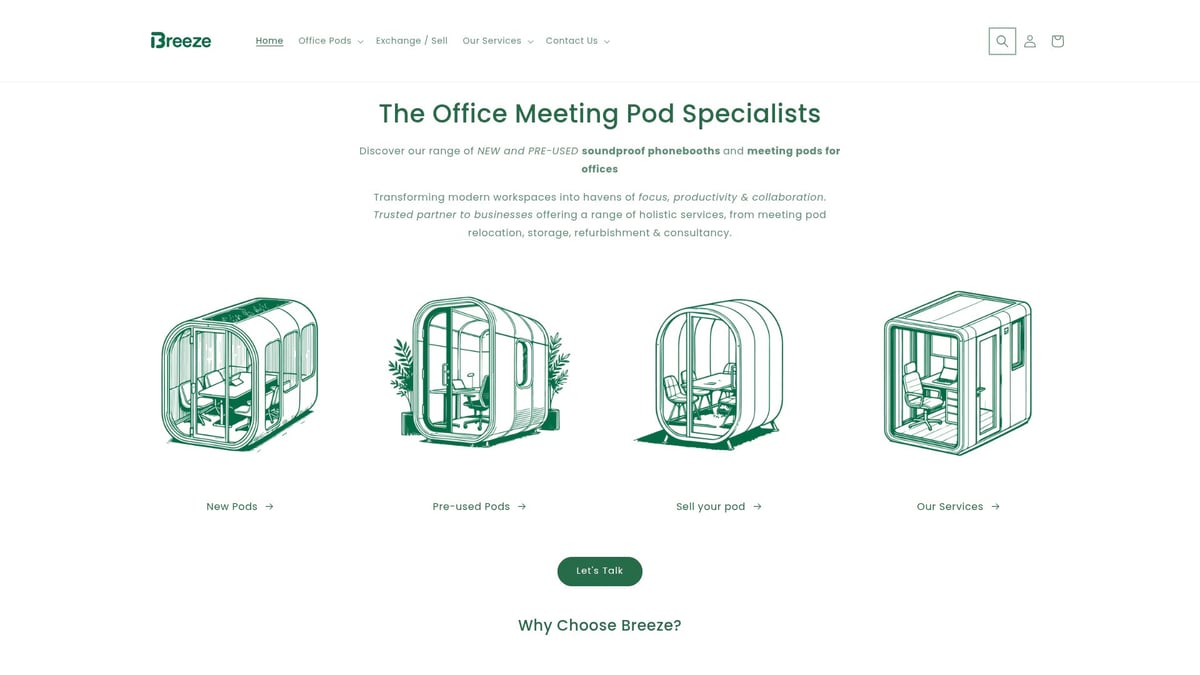
Benefits include quick installation, flexibility, and sustainable materials. Pods can be used for solo calls, small team meetings, or sensitive discussions. Compared to permanent meeting rooms, pods are cost-effective, with prices starting around £3,000.
Adoption of modular meeting pods for hybrid offices is rising among UK businesses in 2025. These solutions support well-being and productivity, making them a smart investment for forward-thinking hybrid workspaces.
Implementing a Hybrid Workspace: Step-by-Step Guide
Implementing hybrid workspaces in the UK requires a structured, strategic approach. This step-by-step guide walks you through each phase, ensuring your transition is smooth, sustainable, and tailored to your organisation’s unique needs.
Step 1: Assess Organisational Needs and Goals
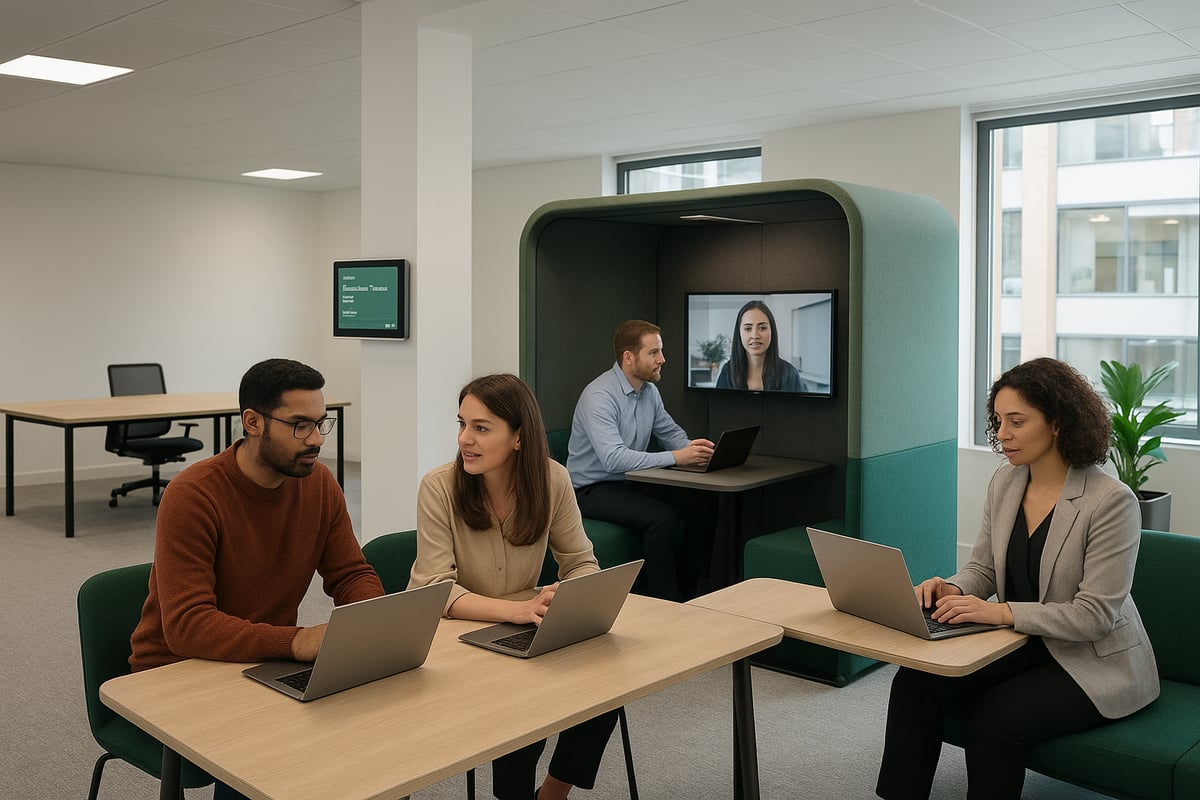
Begin by evaluating your current workplace and identifying how hybrid workspaces can align with your business objectives. Gather insights from employee surveys and conduct space utilisation audits to understand working patterns across teams.
- Define core goals, such as improving productivity or reducing costs.
- Engage stakeholders from HR, IT, and facilities early.
- Benchmark against industry standards for hybrid workspaces.
For UK SMEs, this assessment is especially valuable, ensuring resources are allocated efficiently and employee preferences are prioritised. Clear alignment between strategy and company values sets the foundation for a successful hybrid workspace.
Step 2: Develop a Hybrid Workspace Policy
A clear policy is essential for managing hybrid workspaces effectively. Outline eligibility criteria, expectations for remote and in-office days, and protocols for desk booking and meeting room use.
- Address GDPR compliance and data security responsibilities.
- Set communication guidelines for distributed teams.
- Train managers to lead hybrid teams with confidence.
UK employers must stay informed about legal requirements, including health and safety for both remote and in-office staff. A robust policy ensures fairness and clarity, supporting a positive experience for everyone in hybrid workspaces.
Step 3: Design and Plan the Physical Workspace
Designing effective hybrid workspaces involves balancing collaboration, privacy, and flexibility. Start with space planning—calculate how many desks and meeting rooms you need, considering occupancy trends.
- Choose modular furniture and acoustic solutions.
- Integrate technology for seamless video calls and desk booking.
- Prioritise accessibility and inclusivity.
For creative inspiration and best practices, explore these creative workspace design ideas. Collaborate with UK fit-out specialists to ensure your workspace is both functional and future-ready, supporting the diverse needs of hybrid workspaces.
Step 4: Integrate Technology and Tools
Technology is the backbone of successful hybrid workspaces. Select platforms like MS Teams or Zoom for virtual collaboration and implement smart booking systems for desks and meeting rooms.
- Upgrade Wi-Fi and AV equipment to support flexible work.
- Establish cybersecurity protocols for all employees.
- Offer IT support for both remote and in-office staff.
Roll out training sessions to help your team adapt to new tools quickly. UK organisations benefit from robust tech infrastructure, ensuring hybrid workspaces remain productive and secure.
Step 5: Change Management and Employee Engagement
Transitioning to hybrid workspaces requires strong change management. Communicate changes clearly, provide training, and create channels for feedback.
- Address resistance with transparency and support.
- Recognise achievements in hybrid work adoption.
- Foster a culture of trust and accountability.
Support employee well-being through wellness initiatives for both remote and on-site staff. Regular check-ins and recognition programmes help maintain high engagement in hybrid workspaces.
Step 6: Monitor, Measure, and Optimise
Continuous improvement is key to maximising the value of hybrid workspaces. Establish KPIs for space utilisation, productivity, and employee satisfaction.
| KPI | Measurement Tool | Review Frequency |
|---|---|---|
| Workspace Utilisation | Occupancy Analytics | Monthly |
| Employee Satisfaction | Pulse Surveys | Quarterly |
| Productivity | Project Tracking Tools | Ongoing |
Regularly collect feedback and analyse data to identify trends. Adjust your approach as business needs evolve, ensuring your hybrid workspaces remain agile and effective.
Overcoming Common Hybrid Workspace Challenges
Hybrid workspaces present unique hurdles for UK companies, especially in maintaining cohesion, fairness, and efficiency as teams split between home and office. Addressing these challenges head-on is vital for long-term success.
Maintaining Company Culture and Collaboration
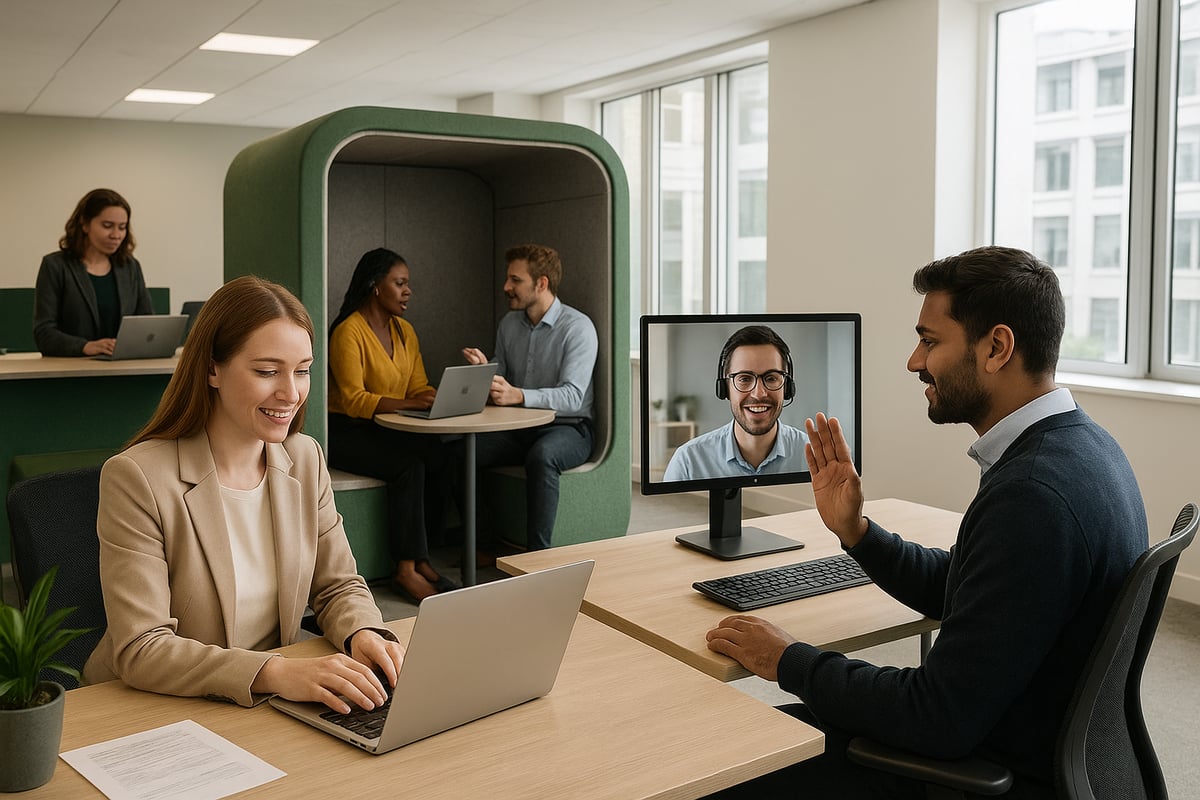
Fostering a strong company culture in hybrid workspaces can be demanding. When employees are dispersed, traditional team-building methods may falter. Leaders must prioritise regular communication and inclusive team rituals, such as hybrid-friendly meetings and social events.
Digital platforms play a key role in bridging the gap, allowing for instant messaging, virtual coffee breaks, and shared project spaces. UK businesses are also adopting strategies like "anchor days" to bring teams together in person. According to the Indeed analysis of hybrid work patterns, many firms are formalising in-office expectations to support collaboration and maintain a shared identity.
Leadership involvement is essential. Managers should set the tone, encourage cross-functional collaboration, and monitor well-being. Proactive support helps prevent isolation and keeps everyone connected.
Ensuring Equity and Inclusion
Hybrid workspaces must be designed to provide equal opportunities for all staff, regardless of location. Avoiding proximity bias is critical, as remote workers can be overlooked for promotions or key assignments.
Inclusive design extends to both physical and digital spaces. Offices should support neurodiversity and accessibility, while digital tools must be user-friendly for everyone. UK organisations are increasingly offering accommodations and flexible arrangements to support diverse work styles.
Regular DEI training for managers helps reinforce fair practices. Monitoring inclusion metrics and gathering anonymous feedback ensures ongoing improvement and maintains trust across the workforce.
Managing Space Utilisation and Costs
Space management is a top concern for hybrid workspaces, especially as businesses seek to reduce overheads. Desk sharing, hot desking, and flexible occupancy planning are now standard.
Serviced offices and coworking spaces offer adaptable solutions, letting companies scale up or down without long leases. Analytics tools help monitor usage and optimise layouts, cutting waste and energy costs.
Privacy is another challenge in open-plan environments. Many UK firms are turning to affordable acoustic phone booths to provide quiet zones for calls and focused work. These solutions are cost-effective compared to traditional meeting rooms, enhancing both productivity and well-being.
Addressing Security, Compliance, and Privacy
With hybrid workspaces, data protection and GDPR compliance become more complex. Employers must secure devices and networks for both remote and in-office staff, ensuring confidential information stays protected.
Physical security is also important in flexible offices. Regular audits, employee training, and partnerships with trusted UK IT providers help maintain compliance. Clear protocols for handling sensitive data and regular risk assessments are essential for safeguarding company assets.
Supporting Employee Well-being and Mental Health
Employee well-being is central to successful hybrid workspaces. Offering wellness programmes, flexible schedules, and access to quiet rooms or wellness spaces helps reduce stress and prevent burnout.
Designing spaces with natural light, ergonomic furniture, and greenery supports mental health. Monitoring workloads and providing mental health resources ensures staff feel valued and supported throughout their workweek.
UK employers are investing in initiatives that promote work-life balance, recognising that well-being is closely linked to productivity and retention.
Legal and HR Considerations in the UK
Hybrid workspaces introduce new legal and HR responsibilities for UK employers. Staying updated on employment law, health and safety obligations, and remote work allowances is crucial.
Policies such as the right to disconnect, managing expenses, and handling grievances must be clear and accessible. Regular reviews ensure compliance and support a fair, positive workplace for everyone.
Future-Proofing Your Hybrid Workspace
Staying ahead in the evolving world of hybrid workspaces means anticipating change, embracing innovation, and building resilience. As the UK workplace landscape shifts rapidly, organisations must position themselves to thrive, not just survive, in 2025 and beyond.
Anticipated Trends for 2025 and Beyond
Hybrid workspaces in the UK are entering a new era shaped by technology, sustainability, and changing workforce expectations. AI and automation will streamline everything from desk booking to environmental controls. Occupancy analytics and smart sensors will guide space planning, while flexible leasing models offer adaptability for businesses of all sizes.
The focus on sustainability will intensify, with companies prioritising energy-efficient offices and green certifications. The rise of “third spaces”, such as coworking hubs and cafes, will expand options for remote work. Generational shifts will further drive demand for flexible, employee-centric environments.
Innovations in Workspace Technology
Technological advancements are redefining how hybrid workspaces function across the UK. AI-powered scheduling tools, immersive collaboration platforms using AR or VR, and integration with wearable devices will become standard. These solutions deliver real-time insights, improve user experience, and enhance productivity.
Smart acoustic and environmental controls will offer employees customisable comfort settings. Predictive analytics will inform resource allocation, reducing waste and supporting continuous improvement. UK tech startups are leading the way, developing tools that empower organisations to respond rapidly to the evolving needs of hybrid workspaces.
Sustainable and Resilient Workspace Strategies
Sustainability is now a core priority for UK businesses designing hybrid workspaces. Circular economy principles guide office fit-outs, promoting the use of modular, reusable furniture and pods. Energy management systems and carbon reduction initiatives help companies meet environmental targets.
Disaster recovery and business continuity planning are integral, ensuring resilience in the face of disruptions. Partnering with green-certified suppliers and achieving standards like BREEAM or WELL enhances both reputation and operational performance. Employee involvement in sustainability programmes fosters a culture of responsibility and engagement.
Building a Flexible and Scalable Workspace Ecosystem
The future of hybrid workspaces lies in adaptability. UK organisations are designing spaces for rapid reconfiguration, leveraging serviced offices and coworking environments for seamless expansion. Establishing a network of hybrid-ready locations, including regional hubs, supports distributed teams and business growth.
Flexible workspace strategies enable companies to respond to market changes, talent needs, and unforeseen events. Collaboration with workspace providers and designers ensures access to the latest innovations and best practices. As demand grows, the flexible office market in the UK is set for continued expansion.
Measuring Success and ROI in Hybrid Workspaces
Quantifying the impact of hybrid workspaces is essential for ongoing improvement. Organisations track metrics such as productivity, engagement, retention, and cost savings. Tools for monitoring workspace utilisation and employee satisfaction provide actionable data for decision-making.
Benchmarking against industry peers and gathering regular feedback ensures strategies remain effective. According to the IWG Hybrid Working Productivity Report, UK businesses are already seeing measurable productivity gains and economic benefits from flexible working models. Adopting a continuous improvement mindset positions companies to maintain a competitive edge.
As you look to create a hybrid workspace that truly supports your team’s focus and confidentiality, the right environment can make all the difference. Throughout this guide, we’ve explored how modular, soundproof meeting pods help solve privacy and productivity challenges in open plan offices—giving everyone a place to concentrate or collaborate without distractions. If you’re ready to take the next step in building a workspace that works for your business today and into the future, I invite you to browse our selection of new pods. Your ideal hybrid office starts here.