

Meeting Pods Guide: The Essential Handbook for 2025
The demand for privacy and adaptable collaboration spaces is rising sharply in UK offices as 2025 approaches. Employers are searching for solutions that address noise, confidentiality, and the ever-evolving needs of hybrid work.
Meeting pods are transforming the modern workplace, offering flexible spaces that boost productivity and protect sensitive discussions. With benefits such as improved well-being, efficient use of space, and sleek, adaptable design, these pods are quickly becoming essential.
This handbook is your go-to resource for meeting pods in UK offices—covering selection, installation, and optimisation. Discover the step-by-step guidance you need to make informed decisions and future-proof your workspace.
Understanding Meeting Pods: What They Are and Why They Matter
Modern UK offices are evolving rapidly, and meeting pods are at the heart of this transformation. These innovative solutions combine privacy, flexibility, and technology, making them essential for businesses aiming to enhance productivity and adapt to new working styles. Understanding the fundamentals of meeting pods helps organisations make informed choices for their unique needs.
Definition and Core Features of Meeting Pods
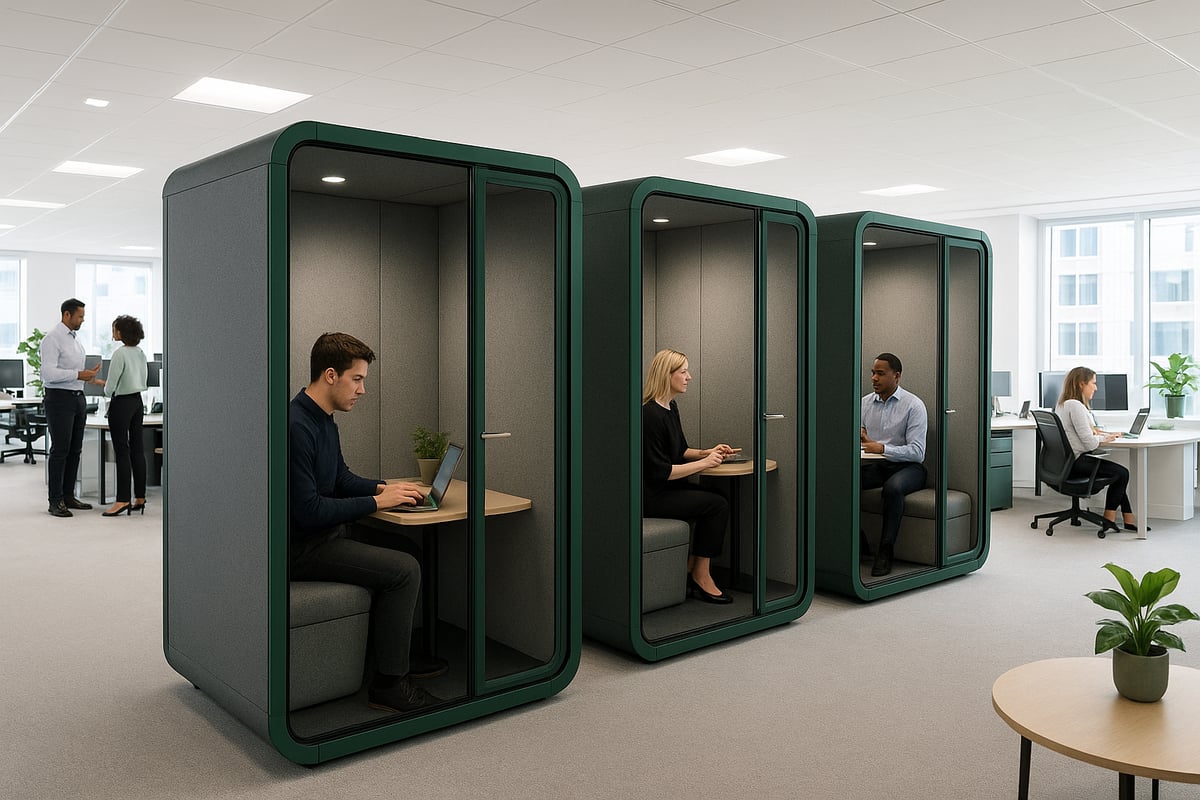
Meeting pods are modular, enclosed spaces designed for focused work and confidential meetings within busy offices. Unlike traditional meeting rooms, meeting pods offer flexibility and quick installation, making them suitable for dynamic UK office layouts.
Key features include:
- Advanced soundproofing for privacy
- Mobility for easy relocation
- Modular construction for scalability
- Integrated ventilation systems
- Built-in technology, such as power outlets and screens
Compared to open-plan spaces, meeting pods provide a dedicated environment for essential conversations. Many UK coworking spaces in London have adopted meeting pods to offer clients private zones without committing to permanent construction.
Key Benefits for Modern UK Workplaces
The adoption of meeting pods delivers several advantages to British businesses. Enhanced privacy and reduced noise distractions are top priorities, as over 60 percent of UK office workers cite noise as a main concern (Leesman Index). Meeting pods support hybrid and flexible work models, helping teams collaborate or focus as needed.
Employee well-being improves when staff have access to quiet, comfortable zones. Meeting pods also optimise space in expensive urban offices, making every square metre count. For a deeper look at acoustic advantages, see this Soundproof Office Pods Benefits article, which explores how soundproofing technology maximises productivity and confidentiality.
Common Use Cases and Applications
Meeting pods are versatile, adapting to a range of workplace needs. Teams use them for:
- Group meetings and brainstorming
- Private calls and confidential interviews
- Video conferencing with minimal background noise
- Quiet zones for deep, uninterrupted work
- Temporary event spaces and hot-desking
These solutions are especially popular in the UK’s tech, finance, creative, and serviced office sectors. Major coworking brands across the country rely on meeting pods to deliver premium, flexible workspace experiences.
Market Growth and Trends in the UK
The demand for meeting pods in the UK has surged, especially in the wake of the pandemic. Flexible and serviced offices are driving this market, as companies seek adaptable, cost-effective solutions. Sustainability is also a key trend, with more businesses choosing eco-friendly pod materials and refurbishment options.
UK regulations regarding fire safety and accessibility shape pod design and installation. According to recent market data, the UK office pod sector is projected to grow by 15 percent annually through 2025. This growth reflects a shift toward smarter, greener, and more flexible work environments.
Types of Meeting Pods: Choosing the Right Fit
Modern UK offices are embracing a wide range of meeting pods to support privacy, collaboration, and flexibility. Selecting the right pod starts with understanding the differences in design, features, and supplier options available across the UK market.
Single-Person Pods vs. Multi-Person Pods
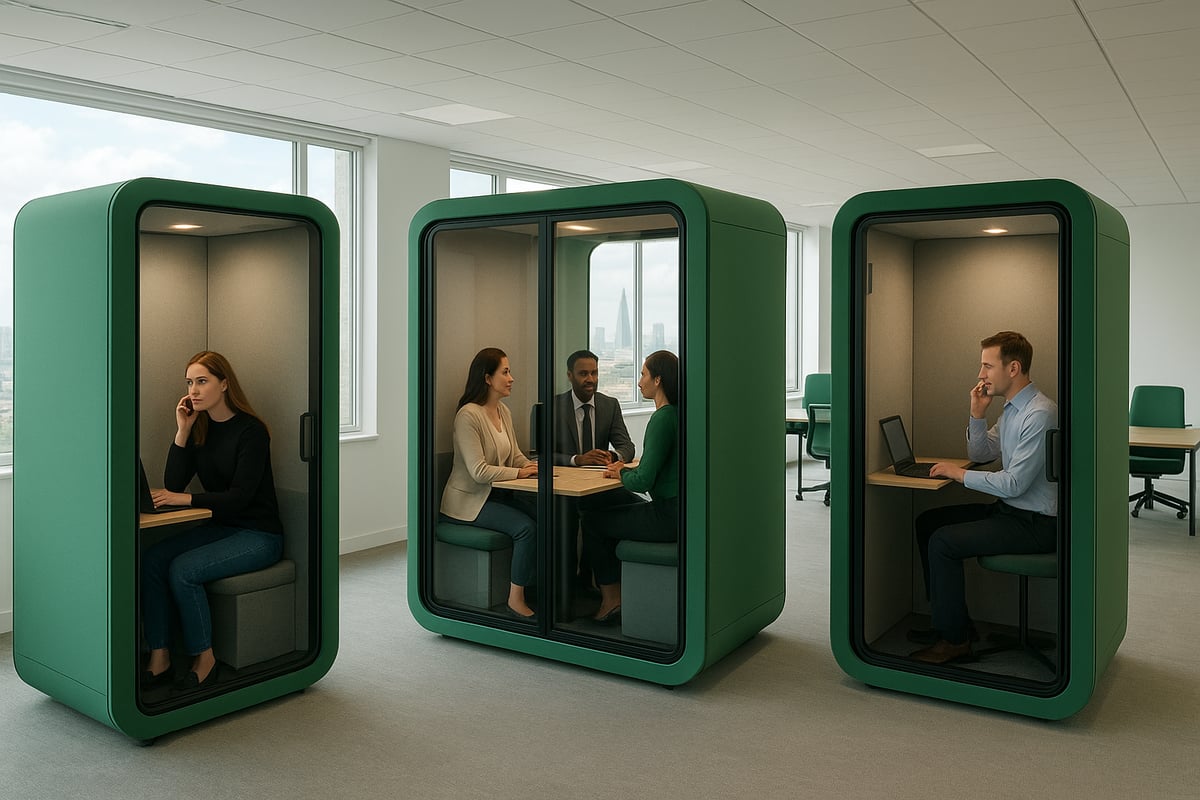
Meeting pods come in two primary configurations: single-person and multi-person. Single-person pods are compact, typically designed for focused work, private calls, or video meetings. They fit easily into tight UK office spaces and offer an affordable entry point for businesses seeking privacy solutions.
Multi-person meeting pods accommodate teams of two to eight or more. These larger pods create dedicated spaces for brainstorming, interviews, or confidential discussions. They cost more due to their size and integrated technology, but they provide substantial value for collaborative work.
For example, UK brands offer single-person focus booths and larger team pods tailored to British office layouts. Choosing between these pod types depends on your team's size, workflow, and available space.
Key Features to Consider When Comparing Pods
When comparing meeting pods, several features stand out as essential for UK offices. Acoustic performance, measured in decibel (dB) ratings, determines how well pods block external noise and protect confidentiality.
Ventilation and air quality systems are crucial, especially for enclosed pods. Look for models with built-in fans or filtered air systems to keep users comfortable. Integrated technology, such as screens, power outlets, and high-speed connectivity, is now standard in many meeting pods.
Accessibility and inclusivity features ensure compliance with UK regulations. Consider door widths, ramp access, and space for wheelchair users. Finally, customisation options allow businesses to match pods to their branding and décor, making them an integrated part of the workspace.
New vs. Pre-Used/Refurbished Pods
UK companies can choose between new meeting pods and refurbished alternatives. New pods typically range from £5,000 to £15,000 depending on size and features. Refurbished pods cost 20 to 40 percent less, making them a cost-effective option for budget-conscious businesses.
Opting for refurbished meeting pods also supports sustainability by reducing waste and promoting reuse. Many London offices now install pre-used pods as part of eco-friendly initiatives. Warranty and maintenance packages are often available for both new and refurbished options, ensuring long-term reliability.
Popular UK Brands and Models
Several UK-based manufacturers stand out for their meeting pods. Brands like Spacestor, Orangebox, and The Meeting Pod Co. offer a wide range of models, from solo phone booths to large, modular team pods. Key differentiators include design aesthetics, acoustic performance, and the use of sustainable materials.
Budget-friendly options focus on essential features, while premium models provide advanced tech integration and superior sound insulation. To compare the latest models and see what is available, visit the New Meeting Pods Collection, which showcases a variety of choices suitable for UK offices.
Breeze Workspace: Comprehensive Meeting Pod Solutions
Breeze Workspace delivers a full range of meeting pods for UK businesses, from new to pre-used models. Their modular, soundproof pods support both focus and confidential collaboration, and come in sizes from single-person booths to large team spaces.
Services include installation, maintenance, relocation, and expert consultancy, ensuring a smooth adoption process. Breeze Workspace also emphasises sustainability, offering refurbished options and flexible leasing for evolving office needs. Trusted by workspace designers and serviced offices across the country, Breeze is a leading partner for meeting pod solutions in the UK.
Step-by-Step Guide: How to Choose and Implement Meeting Pods in 2025
Selecting and installing meeting pods in your UK office requires a strategic approach. This step-by-step guide walks you through each stage, helping you make informed choices for your workplace.

Step 1: Assessing Your Office Needs and Space
Start by identifying your office’s unique challenges. Are noise and lack of privacy disrupting productivity? Do staff struggle to find spaces for confidential calls or focused work? Survey your team for insights into how meeting pods could help.
Measure available space carefully. Consider the best locations for pods, factoring in foot traffic and natural light. Ensure your plans comply with UK office regulations, including fire safety and accessibility. This assessment will shape the ideal meeting pods solution for your environment.
Step 2: Setting a Budget and Exploring Financing
Budgeting for meeting pods involves more than the initial purchase. Prices in the UK typically range from £5,000 for single-person models to £15,000 for larger, multi-person pods. Consider the long-term return on investment, such as increased productivity and reduced build costs.
Explore leasing, outright purchase, or refurbished options to match your financial strategy. Remember to factor in installation, ongoing maintenance, and possible relocation costs. A clear budget ensures you choose meeting pods that align with your business needs.
Step 3: Selecting Pod Types and Features
Determine whether single-person or multi-person meeting pods are right for your office. Single booths are perfect for private calls or deep work, while larger pods support team meetings and collaboration.
Prioritise features like acoustic performance, integrated tech, and ventilation. Make sure all pods comply with the Equality Act 2010 for accessibility. Match your pod choice to your company culture and workflow for maximum impact.
Step 4: Comparing UK Suppliers and Requesting Quotes
Research UK-based meeting pods suppliers known for quality and service. Request detailed quotes that cover installation, aftercare, and warranty support. Look for certifications, customer reviews, and case studies to verify supplier reliability.
Arrange site visits or product demonstrations whenever possible. Comparing UK suppliers ensures you get the best value and support for your meeting pods investment.
Step 5: Planning Installation and Office Integration
Schedule installation to minimise disruption to daily operations. Prepare your site by ensuring access to power, data, and ventilation as required for your chosen meeting pods.
Work closely with facilities and IT teams throughout the process. Prioritise health and safety, and make sure your installation meets all UK standards. For a comprehensive overview of the process, the Office Pod Installation Services page provides valuable guidance on best practices for seamless integration.
Step 6: Training Staff and Encouraging Adoption
Effective use of meeting pods depends on staff understanding and buy-in. Communicate the benefits and policies for pod use clearly. Offer training on booking systems and integrated technology to ensure smooth adoption.
Encourage feedback from employees to refine usage guidelines. Monitor booking rates and satisfaction to ensure meeting pods are delivering value to your team.
Step 7: Ongoing Maintenance and Upgrades
Establish a regular cleaning and maintenance schedule to keep meeting pods in optimal condition. Address common issues quickly, such as ventilation or tech malfunctions, to minimise downtime.
Plan for future upgrades or relocation as your office evolves. Ensure warranty and support agreements with UK suppliers remain up to date, so your meeting pods continue to serve your business needs efficiently.
Integrating Meeting Pods into Your Workplace Culture
Integrating meeting pods into your workplace culture can transform how your team collaborates, focuses, and communicates. By thoughtfully introducing these flexible spaces, UK offices can unlock productivity gains while supporting a modern, inclusive environment.
Encouraging Collaboration and Confidentiality
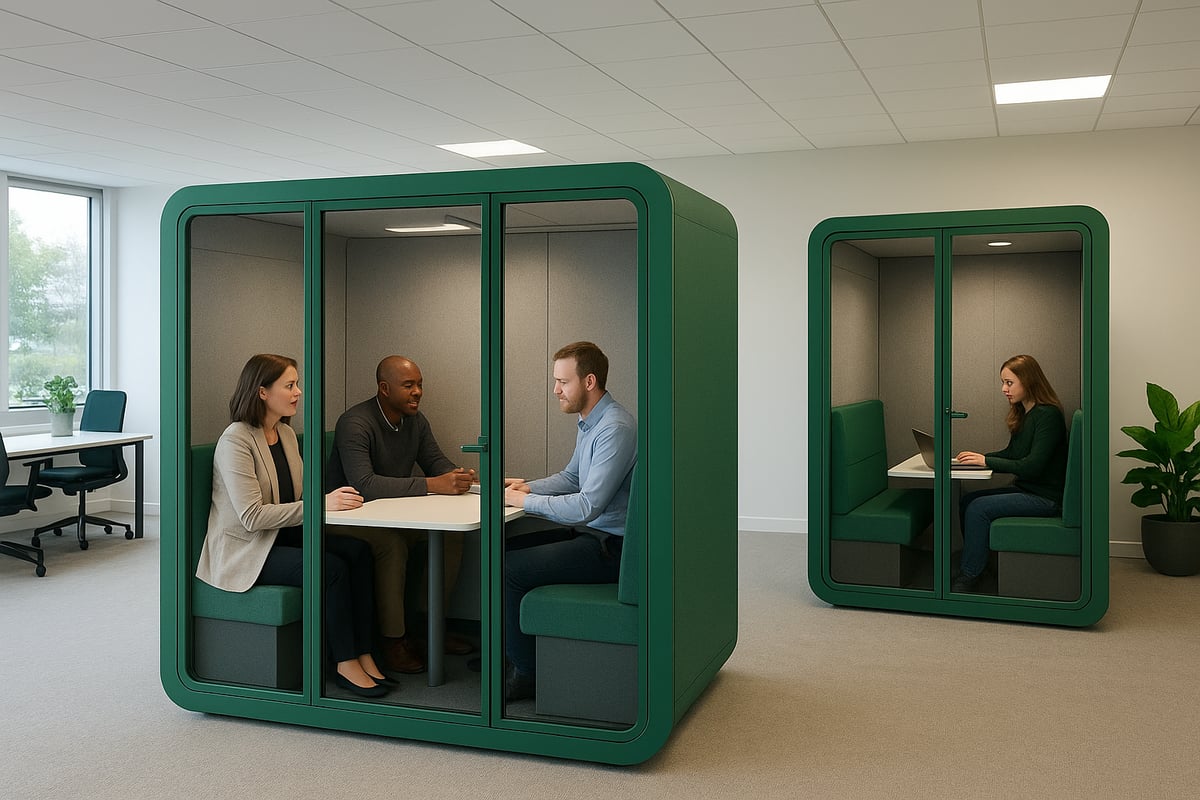
Meeting pods offer a unique balance between open collaboration and private conversation. In UK offices, teams use pods for brainstorming sessions, quick project huddles, and confidential discussions. This flexibility empowers staff to choose the right environment for every task.
For hybrid teams, meeting pods bridge the gap between in-person and remote participants. They provide quiet, tech-enabled spaces for video calls and sensitive meetings. Many London tech firms have adopted pods as part of their hybrid strategies, blending open work areas with accessible, soundproof zones.
To explore more practical tips and case studies, the Office Meeting Pods Guide offers valuable insights tailored to UK businesses.
Maximizing Utilization and ROI
Maximizing the return on investment from meeting pods requires regular tracking and adaptation. Offices should monitor pod booking rates and adjust policies as needed. For example, analyze how often pods are used for meetings versus solo work, then optimize scheduling to match demand.
Collecting feedback on meeting pods helps identify areas for improvement. Some serviced offices have reported significant ROI after introducing pods, with higher productivity and reduced noise complaints. Use data from booking systems to refine usage guidelines and ensure pods are available when needed.
A simple table can help track pod utilization:
| Metric | Target | Current | Action |
|---|---|---|---|
| Booking Rate | 80%+ | 72% | Increase slots |
| Employee Satisfaction | 90%+ | 86% | Gather feedback |
| Maintenance Issues | <2/month | 3/month | Review upkeep |
Supporting Employee Well-Being and Inclusion
Meeting pods are powerful tools for supporting well-being and inclusion in the workplace. They provide quiet, comfortable spaces for employees who need to recharge or focus away from distractions. Neurodiverse staff in particular benefit from environments that offer sensory control and privacy.
Inclusive design ensures meeting pods are accessible to all, with features like wider doorways, adjustable lighting, and clear booking systems. By prioritizing accessibility, UK offices comply with regulations and create a welcoming culture for everyone.
Pods also contribute to mental health by offering a retreat from busy open-plan areas. This fosters a healthier, more supportive work environment.
Addressing Common Challenges and Solutions
Introducing meeting pods can come with challenges, such as resistance to change or concerns about misuse. Clear communication about the benefits and usage policies helps address skepticism. Offer training sessions and encourage staff to share their experiences with meeting pods.
Maintenance is another key consideration. Establish regular cleaning and inspection routines to keep pods in top condition. If pods are underused, adapt their placement or booking process to better fit evolving work patterns.
By staying proactive, UK offices can ensure meeting pods remain valuable assets that enhance team culture and productivity.
The Future of Meeting Pods: Trends and Innovations for 2025
The future of meeting pods in the UK is shaped by rapid innovation, sustainability, and the evolving needs of hybrid workplaces. As businesses adapt to new ways of working, meeting pods are set to play an even greater role in delivering flexible, tech-enabled, and environmentally responsible solutions.
Smart Technology Integration
Smart technology is transforming the way meeting pods function in UK offices. Expect to see touchless entry systems, occupancy sensors, and advanced air quality monitoring as standard features. These innovations help manage pod availability and ensure a healthy environment for users. Integration with office booking platforms allows seamless scheduling, while built-in screens and connectivity support hybrid meetings. British companies are also exploring IoT-enabled controls for lighting, temperature, and security. For a closer look at these advancements and their impact on office design, review the Sustainable and Smart Office Pod Trends highlighting the latest in smart meeting pods.
Sustainability and Eco-Friendly Materials
Sustainability is a top priority for meeting pods in 2025. UK manufacturers are focusing on recycled and low-emission materials, ensuring each pod meets stringent environmental standards. Circular economy principles are increasingly applied, with refurbishment and reuse reducing waste. Many pods now feature eco-friendly acoustic insulation and responsibly sourced wood. These innovations support companies aiming for green certification and help reduce overall carbon footprints. The push for sustainable meeting pods is also driven by government incentives for green office solutions, making eco-conscious choices more accessible for UK businesses.
Evolving Design and Customization
Design trends for meeting pods are evolving quickly to meet diverse workplace needs. Modular construction allows rapid reconfiguration, enabling businesses to adapt layouts as teams grow or work patterns shift. Customisation is in high demand, with options for branded exteriors, bespoke interiors, and tech upgrades. Biophilic elements, such as integrated greenery and natural light, are becoming popular to boost well-being. UK suppliers offer a wide range of finishes and configurations, so organisations can match their meeting pods to company culture and aesthetic preferences while ensuring maximum utility and comfort.
Meeting Pods in the Hybrid Work Era
Meeting pods have become essential infrastructure for hybrid work in the UK. They offer private, tech-ready spaces for both remote collaboration and in-person meetings. As hybrid models become the norm, demand for flexible, movable pods is rising fast. Market projections indicate continued double-digit growth for the UK meeting pods sector, reflecting their vital role in future office planning. According to Global Office Pods Market Size and Growth, the global market is expanding rapidly, with UK adoption leading in Europe. In 2025, expect meeting pods to underpin agile, productive, and inclusive workplaces across the country.
As we’ve explored, meeting pods are transforming UK offices by bringing much-needed privacy, flexibility, and focus to open workspaces—qualities that will only grow in importance as we move into 2025. Whether you’re looking to enhance productivity, support hybrid teams, or simply create a quieter environment for your staff, the right meeting pod can make all the difference. If you’re ready to take the next step and want to see what’s possible for your own office, I encourage you to browse our selection of new pods and discover the ideal solution for your workspace needs.