

Workplace Pods Guide: Transform Your Office in 2026
Is your open-plan office making it harder to focus, maintain privacy, or support employee well-being? In 2026, workplace pods are changing the landscape of UK offices and helping businesses overcome these daily challenges.
This guide shows how workplace pods can transform your workspace, boost productivity, and empower hybrid teams. You will discover the latest trends in office design, the different types of pods, and their key benefits for your organisation.
Follow our step-by-step roadmap to select, install, and maximise workplace pods in your office, illustrated with real UK examples and a look at future innovations.
The Evolution of Workplace Design: Why Pods Are Essential in 2026
The UK office landscape has seen dramatic change over the past decade. Open-plan layouts, once celebrated for collaboration, are now under scrutiny. High noise levels and a lack of privacy have led many businesses to rethink what truly supports productivity and staff satisfaction.
The Shift from Open-Plan to Flexible Workspaces
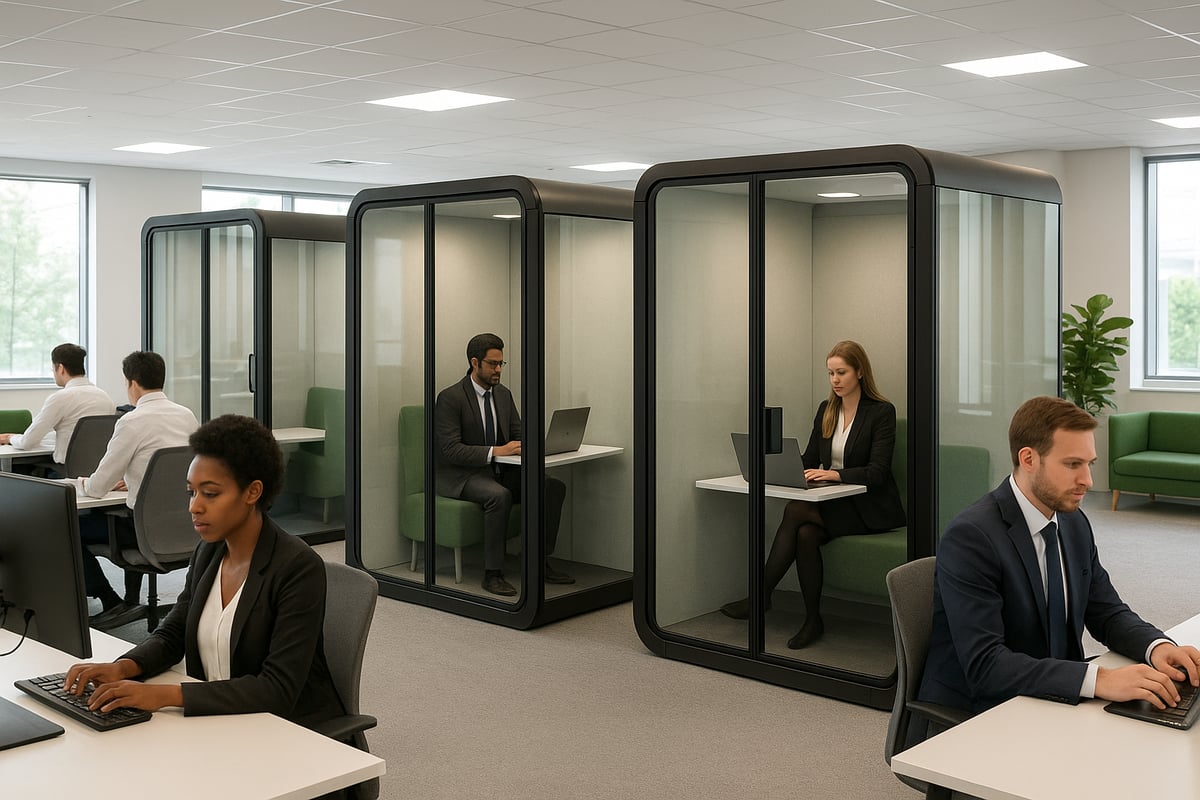
Open-plan offices swept through the UK, promising better teamwork and space efficiency. However, research soon revealed unintended consequences. Employees reported frequent interruptions, elevated stress, and difficulty concentrating. According to a recent study on noise disturbance and lack of privacy in open-plan offices, dissatisfaction with acoustics is among the top complaints in traditional layouts.
As these issues became more obvious, businesses started exploring flexible workspace solutions. Adaptable environments are now a priority, with workplace pods offering targeted answers to privacy and noise challenges.
Hybrid Work Models and Employee Well-being
The rise of hybrid work has reshaped office expectations. Teams now split time between home and the office, requiring spaces that support both focused solo work and dynamic collaboration. Employees want environments that safeguard well-being, reduce stress, and deliver acoustic comfort.
CBRE and Leesman have highlighted that modern workers value choice and variety in their workspace. Demand for private zones, such as workplace pods, is growing. These pods provide a quiet refuge for calls, confidential meetings, and moments of concentration, directly supporting employee satisfaction and health.
Digital Transformation and Regulatory Trends
Video conferencing, digital collaboration tools, and sensitive client discussions are now routine. Open spaces make it difficult to hold private conversations or work without distraction. Regulatory bodies like the Health and Safety Executive (HSE) are setting clearer guidelines on workplace noise, air quality, and privacy.
Firms must now comply with stricter standards to protect staff and data. Workplace pods are specifically designed to meet these requirements, offering soundproofed, ventilated, and secure environments that align with evolving regulations.
How Pods Solve Traditional Office Challenges
Workplace pods bridge the gap between old office models and future needs. They address the pitfalls of open-plan layouts by providing modular, movable, and acoustically insulated spaces. UK tech firms, for example, are deploying pods to support agile teams, enabling rapid project pivots without costly renovations.
Pods also help organizations optimize real estate, adapt to changing work patterns, and support diverse employee needs. By integrating workplace pods, offices are becoming more flexible, productive, and future-ready.
Types of Workplace Pods and Their Key Features
Workplace pods have revolutionised how UK companies approach privacy, collaboration, and flexibility in the office. As the demand for agile and hybrid environments grows, understanding the different types of workplace pods and their features is essential for making informed investment decisions. Let us explore the primary pod categories shaping modern offices in 2026.
Meeting Pods
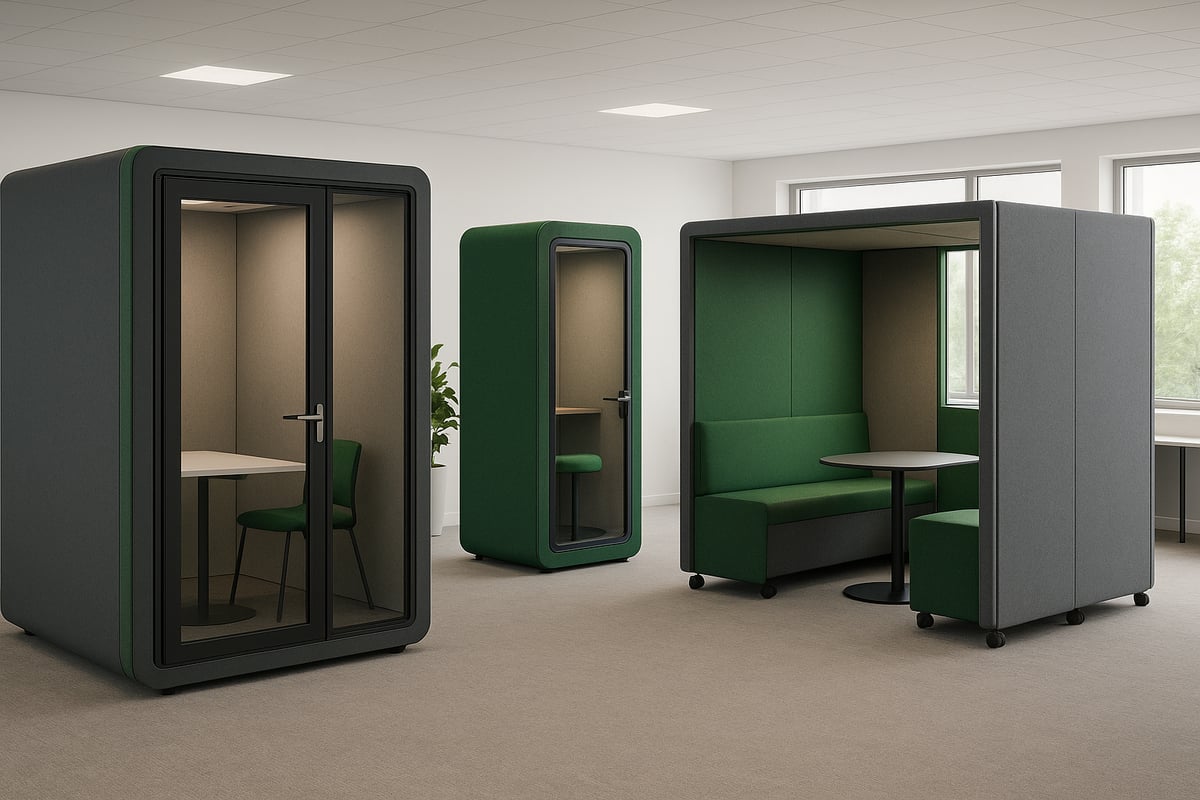
Meeting pods have become a cornerstone of workplace pods, providing enclosed, soundproof environments for team discussions and client meetings. These pods typically seat between four and eight people, with some larger models accommodating up to twelve. Features include acoustic insulation, integrated AV systems, ventilation, and privacy glass.
Popular UK-based manufacturers, such as Orangebox and Spacestor, offer a range of meeting pods with customisable finishes and technology integration. Costs generally range from £7,000 to over £20,000, depending on size and features. For more information on practical models and use cases, see Meeting Pods for Offices.
Meeting pods enable confidential conversations and agile project discussions, making them vital for hybrid workspaces.
Phone Booths and Solo Work Pods
Phone booths and solo work pods are compact solutions for private calls and focused individual work. These workplace pods are usually designed for one person, offering high acoustic ratings, effective ventilation, and ergonomic seating.
UK suppliers, including Framery and Silent Lab, provide models with sound reduction of up to 40dB. Many booths feature motion-activated lighting and adjustable air circulation, ensuring comfort during extended use. Typical costs for phone booths range from £3,000 to £8,000.
Solo workplace pods are ideal for frequent video calls, confidential conversations, or heads-down work, giving employees a quiet retreat within busy offices.
Collaboration Pods and Modular Configurations
Collaboration pods and modular workplace pods support dynamic group work, workshops, and creative brainstorming. These pods often feature movable walls, connectable units, and flexible seating to adapt to changing team needs.
Creative agencies in London have adopted modular configurations to create temporary project rooms or breakout zones. Collaboration pods typically cost between £10,000 and £25,000, reflecting their versatility and technology options.
Key features include writable surfaces, integrated displays, and flexible power/data access. Modular workplace pods can be relocated or reconfigured, maximising office space efficiency.
Specialist and Custom Pods
Specialist and custom workplace pods address specific organisational needs, such as wellness rooms, video conferencing suites, or event hire. These pods can be tailored with smart office technology, including app-controlled lighting, access control, and environmental sensors.
A serviced office in Manchester, for example, installed bespoke wellness pods for staff relaxation and private consultations. Pricing for custom workplace pods varies significantly, depending on size, finish, and technology requirements.
Custom workplace pods offer unique solutions for companies seeking to enhance employee well-being, support neurodiversity, or deliver branded experiences. Their adaptability ensures offices remain future-proof and responsive to evolving work patterns.
Key Benefits of Workplace Pods for UK Offices
The modern UK office is evolving rapidly, with workplace pods emerging as a central feature in this transformation. As businesses face mounting pressure to support hybrid work, enhance employee well-being, and optimize space, the benefits of workplace pods have never been clearer. Let us explore the key advantages that make these versatile solutions essential in 2026.
Enhanced Focus, Privacy, and Productivity
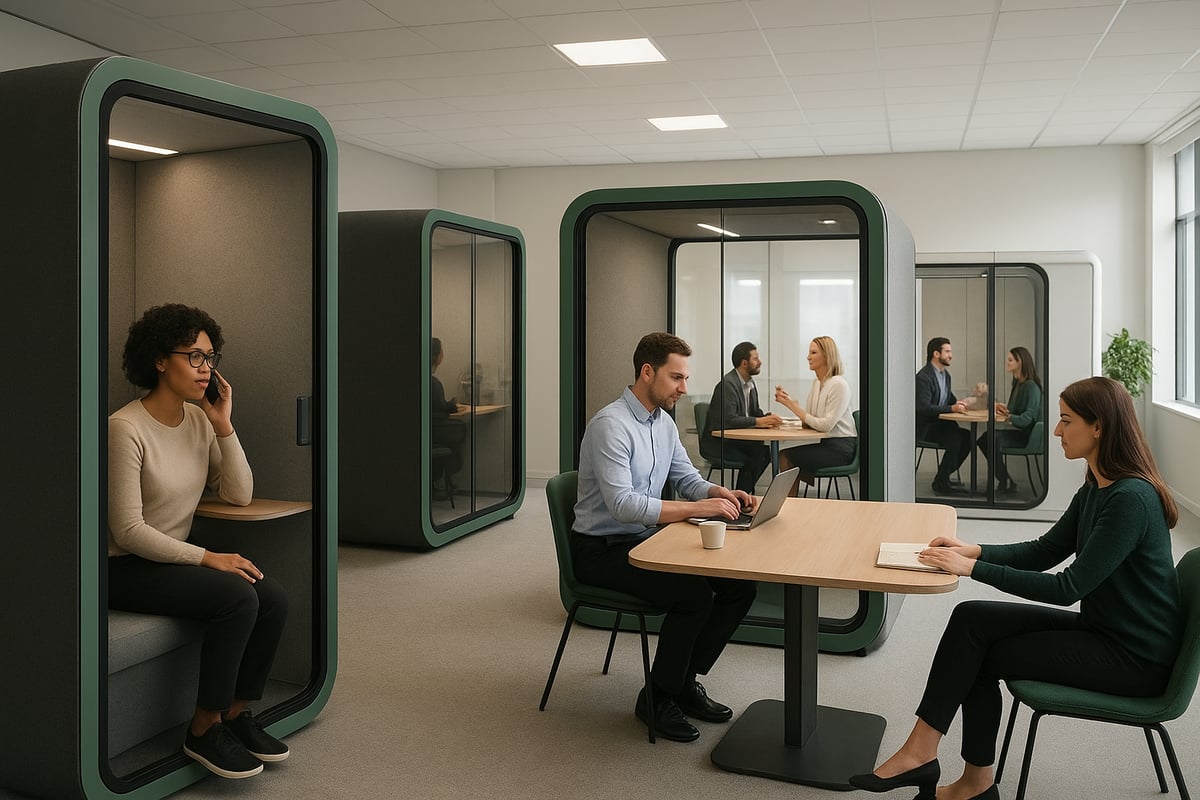
One of the greatest strengths of workplace pods is their ability to create quiet, distraction-free environments. Open-plan offices have long struggled with noise and interruptions, leading to a dip in concentration and confidentiality. Workplace pods, with their advanced soundproofing (up to 40dB noise reduction), address this challenge head-on.
By providing dedicated spaces for calls, meetings, or deep work, workplace pods help teams maintain focus and protect sensitive information. Employees report higher job satisfaction when they have access to private, well-designed pods. For a detailed exploration of these advantages, see the Benefits of Office Pods.
Improved Collaboration and Hybrid Work Support
Collaboration is at the heart of successful UK businesses, and workplace pods play a pivotal role. These pods offer flexible zones where teams can brainstorm, conduct hybrid meetings, or hold client consultations without disturbing others.
Workplace pods support seamless integration of AV technology, making them ideal for connecting in-person and remote staff. Law firms and tech companies alike use pods to host hybrid meetings, ensuring every participant feels included and engaged. Agile teams also benefit from the ability to quickly reserve a pod for ad hoc discussions or problem-solving sessions.
Space Optimization and Cost Efficiency
Office space in the UK is valuable, and workplace pods enable organizations to make the most of every square metre. Unlike permanent construction, pods are modular and can be relocated or reconfigured as needs shift, reducing the risk of costly renovations or end-of-lease charges.
Financially, investing in workplace pods allows companies to avoid major building work while still delivering high-quality private areas. This flexibility is crucial for businesses adapting to changing headcounts or hybrid work patterns, ensuring resources are used wisely.
Employee Well-being and Retention
Employee well-being is now a top priority for UK employers, and workplace pods contribute significantly. Quiet, comfortable pods reduce stress and support neurodiverse team members who may need specific environments to thrive.
Surveys show that 70 percent of UK employees value access to private workspaces, viewing pods as a critical amenity. Companies offering workplace pods often see increased talent attraction and higher retention, as staff appreciate the investment in their comfort and productivity.
Sustainability and Future-Proofing
Sustainability is an increasingly important consideration in office design. Workplace pods, built with modular and reusable materials, offer a low-waste alternative to traditional fit-outs. Many UK businesses are choosing pods to reduce their environmental impact and to future-proof their workspaces.
Pods can be refurbished, relocated, or recycled, supporting circular economy principles. As regulations and employee expectations shift, workplace pods allow offices to adapt quickly without generating excessive waste or committing to inflexible layouts.
Step-by-Step Guide: How to Implement Workplace Pods in Your Office
Transforming your office with workplace pods requires a structured, thoughtful approach. Below is a step-by-step guide tailored for UK businesses, ensuring your investment delivers maximum value, compliance, and flexibility.
Step 1: Assess Your Office Needs and Goals
Begin by evaluating your current workspace. Identify pain points such as excessive noise, lack of privacy, or insufficient meeting areas. Gather feedback from employees through surveys or workshops to fully understand how workplace pods could address these issues.
Consider the types of tasks your teams perform. Do they need quiet zones for focused work or collaborative spaces for project meetings? Map out which departments will benefit most and estimate the number and types of pods required.
Engage key stakeholders early, including HR, IT, and facilities managers. This collaborative approach ensures that all requirements are captured and that the solution aligns with broader business goals, from productivity to well-being.
Step 2: Select the Right Pod Types and Suppliers
Once your needs are clear, research the diverse range of workplace pods available in the UK market. Compare models, focusing on acoustic performance, ventilation, size, and technology integration. Consider options like solo work pods for focused tasks, meeting pods for group discussions, and modular units for flexible use.
Assess suppliers based on their reputation, after-sales support, and compliance with UK standards. Request demonstrations or site visits to see pods in action. Compare new and pre-used options to suit your budget and sustainability goals.
Decide whether to lease or purchase. Leasing offers flexibility and lower upfront costs, while purchasing may be more cost-effective long term. Evaluate manufacturer warranties and service packages before committing.
Step 3: Plan Layout and Integration
Careful planning of pod placement is vital for seamless office flow and accessibility. Position workplace pods in areas that minimise disruption, enhance privacy, and support natural movement around the office. Ensure all pods are easily accessible and do not block emergency exits.
Integrate pods with your existing IT infrastructure. Plan for power, data connections, and AV equipment. Collaboration pods may require large displays, while phone booths need strong ventilation and lighting.
Work with a workspace designer or facilities expert to create a layout that maximises space efficiency while adhering to UK fire safety and building regulations. Test different configurations using floor plans or 3D modelling tools to visualise the final result.
Step 4: Installation and Compliance
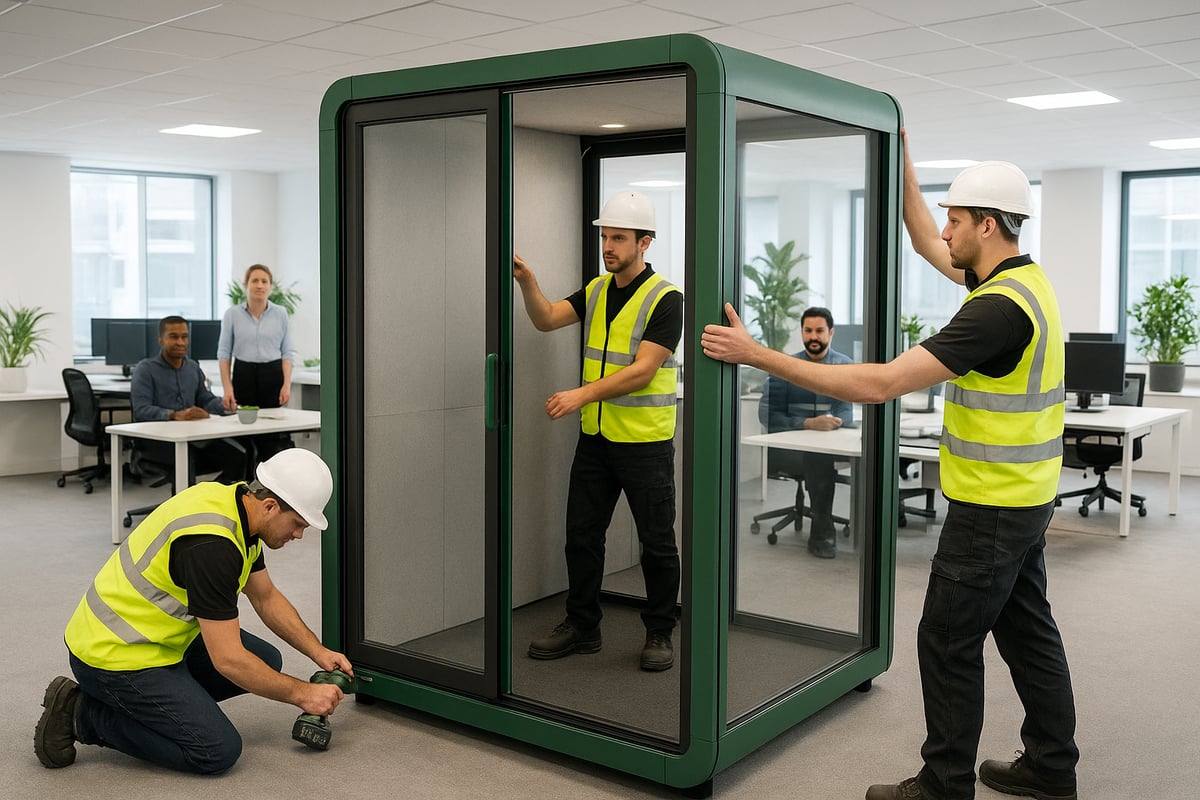
Coordinate delivery and assembly with minimal disruption to daily operations. Schedule installation during off-peak hours or phased stages to keep productivity high. Use professional installers familiar with UK office environments and building codes.
Ensure workplace pods comply with Health and Safety Executive (HSE) guidelines, including fire safety, ventilation, and acoustic standards. Conduct post-installation testing for sound insulation and air quality. For a detailed overview of the process, refer to the Office Pod Installation Guide.
Keep records of all compliance checks and certifications. This documentation may be required for insurance, landlord approval, or future audits.
Step 5: Onboarding and Change Management
Successful adoption of workplace pods depends on clear communication and staff engagement. Announce the new pods in advance, highlighting their benefits for focus, privacy, and collaboration. Provide usage guidelines and etiquette tips to ensure respectful sharing of these spaces.
Offer training sessions or demonstrations, especially for tech-enabled pods. Encourage feedback through surveys or suggestion boxes, allowing you to address concerns and make adjustments.
Monitor pod usage in the first few months. Adjust booking systems, signage, or layouts based on real-world feedback to maximise employee satisfaction and utilisation.
Step 6: Maintenance and Future Scalability
Regular maintenance keeps workplace pods clean, safe, and fully functional. Schedule routine cleaning, filter replacements, and equipment checks. Assign responsibility to in-house teams or opt for supplier service contracts.
Plan for future growth by choosing modular workplace pods that can be reconfigured or relocated as your business evolves. Track pod usage data to identify when additional pods are needed or when layouts should change.
Scalability ensures your workspace remains agile, adapting quickly to new team sizes, work patterns, or regulatory demands. Well-maintained and flexible pods will continue to deliver value, supporting your office well into the future.
Real-World Examples: UK Offices Transforming with Pods
Across the UK, organisations are embracing workplace pods to solve challenges in privacy, focus, and flexible collaboration. Below, we explore how different sectors are reimagining their spaces and seeing measurable improvements.
Corporate Headquarters
A London-based financial services firm faced issues with client confidentiality and noisy open spaces. By installing workplace pods, they created private zones for sensitive meetings and confidential calls.
- Dedicated pods for client consultations
- Improved sound insulation and privacy
- Enhanced client satisfaction scores
According to a case study on the impact of work pods, such changes can deliver measurable gains in productivity and employee feedback. The financial firm noted fewer distractions and more focused work, demonstrating the value of workplace pods at the corporate level.
Creative Agencies and Tech Startups
Manchester tech startups and London creative agencies are leveraging modular workplace pods to support agile teams and dynamic project work. These pods allow for quick reconfiguration to suit evolving group sizes or tasks.
- Modular pods used for brainstorming and sprints
- Solo booths for deep focus work
- Increased team productivity and fast project turnaround
Agencies report that workplace pods foster innovation by providing spaces tailored to both collaborative and individual needs. As a result, staff feel empowered to choose the environment that best suits their workflow.
Coworking Spaces and Serviced Offices
Birmingham coworking hubs are using workplace pods as premium amenities to attract tenants and support hybrid events. Pods offer flexible solutions for tenant privacy and group workshops.
- Acoustic pods for hybrid meetings and workshops
- Phone booths for confidential calls
- Higher occupancy rates and tenant satisfaction
By integrating workplace pods, coworking spaces can efficiently adapt to the diverse requirements of freelancers, startups, and established businesses alike.
Public Sector and Education
Universities and public sector offices are introducing workplace pods to create discrete areas for private discussions and well-being. One university in Leeds installed wellness pods for staff, providing a restorative environment away from the busy campus.
- Pods for confidential student and staff conversations
- Wellness pods supporting mental health
- Positive feedback on reduced stress and improved focus
Research shows that privacy booths can reduce workplace stress and contribute to employee well-being, making workplace pods a strategic asset for both public and educational institutions.
Workplace pods are transforming offices across the UK, delivering tangible benefits in productivity, privacy, and employee satisfaction. As these real-world examples show, adopting workplace pods is a proven strategy for future-ready, people-centric spaces.
The Future of Workplace Pods: Trends and Innovations for 2026 and Beyond
Workplace pods in the UK are set to evolve rapidly, offering smarter, greener, and more flexible solutions for modern offices. As technology and sustainability drive innovation, businesses are reimagining how workplace pods can meet changing needs in 2026 and beyond.
Smart Pods and Technology Integration
The next generation of workplace pods will feature advanced technology for smarter collaboration and comfort. Expect IoT-enabled pods with occupancy sensors, climate control, and touchless access to become standard across UK offices. These pods will seamlessly integrate with booking systems, allowing employees to reserve spaces in real time.
Enhanced AV setups will support hybrid meetings, making it easy for remote and in-person teams to communicate. Innovations in acoustic engineering are also improving privacy, as explored in this Soundproofing Office Pods guide. As a result, workplace pods are becoming essential for confidential calls and focused work.
Sustainability and Circular Economy
Sustainability is now a top priority for organisations investing in workplace pods. Manufacturers are developing pods with recyclable materials, modular components, and energy-efficient lighting. The demand for pre-used and refurbished pods is rising as companies look to reduce waste and carbon emissions.
Lifecycle management is increasingly important, with many UK suppliers offering take-back or refurbishment schemes. Eco-certifications and transparent sourcing are also influencing purchasing decisions, ensuring workplace pods align with corporate social responsibility goals.
Evolving Workplace Strategies
Flexible, employee-centric office design is shaping the future of workplace pods. Pods are now central to strategies that support hybrid work, agile teams, and neurodiversity. SMEs and public sector organisations are adopting pods to provide adaptable, private spaces without major renovations.
Looking ahead, regulatory changes may further impact pod design, especially around accessibility and workplace health standards. As needs evolve, workplace pods will continue to offer scalable, future-proof solutions that help UK businesses stay competitive in a dynamic market.
After exploring how workplace pods can redefine your office in 2026—from boosting focus and privacy to supporting hybrid teams—you might be considering the next step for your own workspace. If you’re ready to create a more productive, flexible, and future proof environment, I invite you to contact us. Whether you’re interested in new or pre used pods, our team at Breeze Workspace is here to guide you through every stage, from selection to installation. Let’s work together to design an office where your people can truly thrive.